
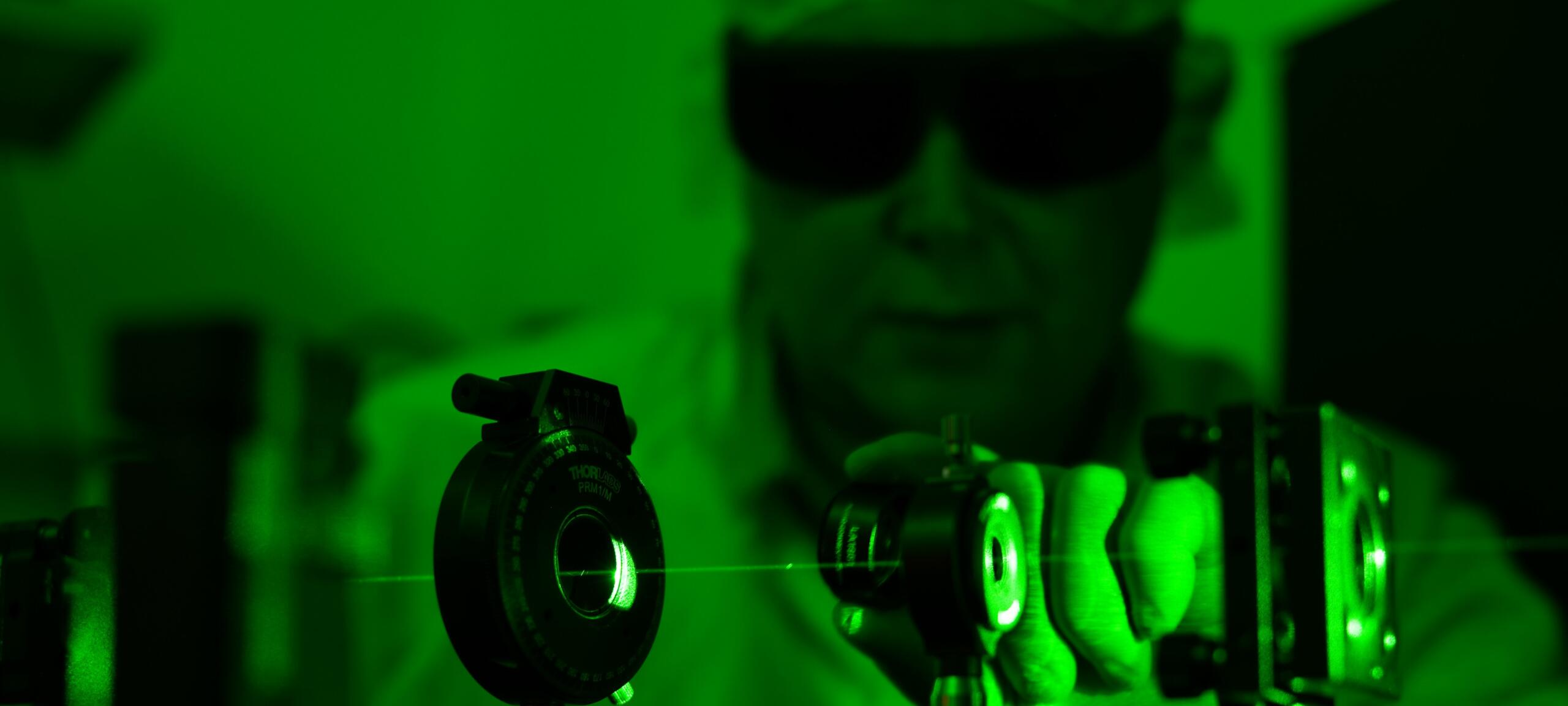
Photonics technologies, especially those utilizing lasers, are revolutionizing the healthcare industry by providing non-invasive diagnostic options and precise molecular insights. With ongoing advancements in photonics and laser assembly, the potential for future healthcare innovations is vast. Volpi is leading this shift with the introduction of a cutting-edge laser room specifically designed for meticulous and efficient laser assembly, reflecting our dedication to offering superior laser solutions.
Photonics technologies, particularly laser-based methods, are pivotal in healthcare. The NHS has recognized their potential and made substantial investments in photonics-based diagnostic tests. These tests offer non-invasive alternatives to biopsies and provide accurate molecular-level information for diagnoses. To further advance light-based diagnostic and treatment approaches, the National Healthcare Photonics Centre in the UK has received an impressive £8.3 million investment. This initiative fosters collaboration among academic partners, small and medium enterprises, and larger industries, highlighting the significant benefits of photonics in healthcare.
Traditional diagnostic workflows often involve surgical tissue removal, sample transportation, and subsequent analysis, leading to delays and potential sample degradation. However, the emergence of point-of-care devices has revolutionized healthcare. These devices integrate laser-based imaging, spectroscopy, and artificial intelligence to provide rapid diagnoses without the need for surgery. They offer real-time clinical information, effectively overcoming the limitations of traditional methods and significantly improving patient care.
In medical diagnostics, spectroscopy and imaging methods such as Raman, fluorescence, and two-photon absorption have revolutionized the field. Laser sources used in these tests operate within specific wavelength ranges, taking advantage of the “biological window” to minimize tissue absorption. Laser sources offer numerous advantages, including higher brightness and integration with fiber optics, enabling flexible diagnostics and treatment. This integration allows for minimally invasive procedures and localized irradiation, making them particularly effective in light-activated cancer treatments.
The future of diagnostics lies in miniaturization, where high-precision lasers are used to manufacture small medical devices capable of creating complex structures. Rapid on-chip diagnostic tests, utilizing electrochemical signaling or optical responses, have emerged as formidable alternatives to traditional methods. These tests provide competitive results compared to their conventional counterparts, offering rapid, non-invasive testing with real-time results. As new biomarkers are identified for various diseases, lasers and photonics technologies open new possibilities for accurate and efficient diagnostics.
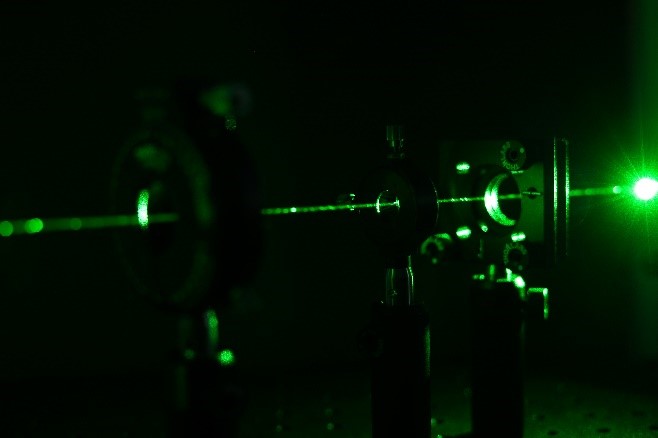
In addition to the advancements in photonics technologies and their applications in healthcare, Volpi has made significant strides in laser assembly. The company has constructed a state-of-the-art laser room dedicated to assembling lasers for their customers’ modules. Equipped with cutting-edge technology and infrastructure, this specialized facility ensures precise and efficient laser assembly, meeting the stringent requirements of laser manufacturing.

At the heart of Volpi’s laser room are skilled technicians trained in the intricate process of laser assembly. They employ advanced tools and techniques to meticulously align and integrate the various components of the laser modules, guaranteeing optimal functionality and reliability. Volpi’s investment in this dedicated laser room showcases its commitment to delivering top-notch laser solutions to customers, streamlining the assembly process, reducing production time, and maintaining strict quality control measures
Overall, the convergence of photonics technologies and laser assembly is revolutionizing healthcare. Volpi is at the forefront of this revolution, driving innovation and pushing the boundaries of what is possible. As we continue to unlock the potential of photonics and laser assembly, the future of healthcare looks brighter than ever before.

Simon Langhart
Head of Sales & Marketing