
Multi-omics is revolutionizing healthcare by integrating diverse biological data from genomics to metabolomics, providing a comprehensive analysis of health and disease. This approach enables precise correlations, revealing dependencies and predictions for personalized treatments. As we delve into this innovative field, we uncover the potential to redefine diseases, identify early markers, and tailor interventions to individual needs. With the rise of ‘Deep Data Technologies’ and AI, multi-omics paves the way for a new era in medicine, where prevention and early detection are as crucial as treatment, promising a future of improved health outcomes and personalized care for all.
Multi-omics represents a cutting-edge approach that synergizes data from diverse omics fields, such as genomics, epigenomics, transcriptomics, proteomics, microbiomics, and metabolomics, to conduct a holistic analysis. This method allows us to uncover relationships between different omics data, facilitating the identification of dependencies and enabling us to make predictions about an individual’s health, disease progression, and potential treatments.
The objectives of multi-omics are threefold: to deepen our understanding of specific diseases, to establish the best practices for multi-omics analysis, and to generate high-quality data for public dissemination (1). Precision medicine’s future is vast and varied, necessitating the study of longitudinal cohorts.(2) It’s essential to recognize that individual deviations from the “norm” significantly impact how people respond to various factors, including weather, diet, physical activity, stress, and medications. A shift in how we define human disease is on the horizon, moving away from a tissue-centric view and towards multi-omics profiling of different sample types, including blood.
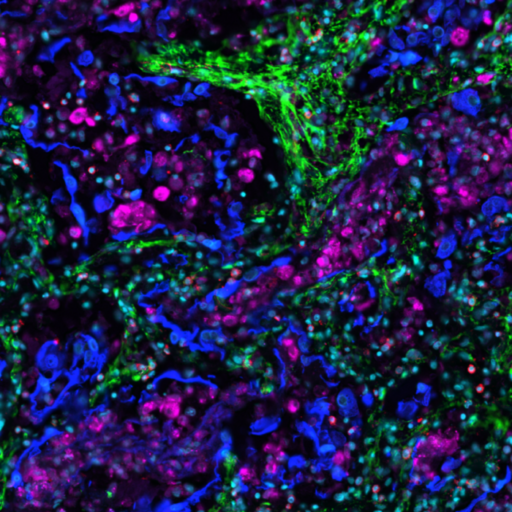
Individual multi-omics data are crucial to harnessing the full potential of precision medicine. “Deep Data Technologies” like DNA sequencing, mass spectrometry, wearable devices, and artificial intelligence (AI) are pivotal in detecting these individual differences and in the early diagnosis of diseases. (4) Additionally, technologies like spatial biology, liquid biopsy, protein sequencing, ultra-sensitive immunoassays, flow cytometry, and single-cell multi-omics technologies provide valuable data for comprehensive multi-omics analysis. The volume of data produced by omics research is soaring, primarily due to DNA sequencing and the significantly higher number of transcripts and proteins than the number of genes. While the human genome contains approximately 20,000 genes, there are about 200,000 transcripts and over a million proteins. (3)
In the past 15 months, several key industry players have made strategic acquisitions to enhance their multi-omics and proteomics capabilities, including Danaher (Abcam), Thermo Fisher Scientific (Olink), Standard Biotools (Somalogic), and Bruker (Phenomex, Nanostring, etc.).(5)
Machine learning and AI are indispensable for interpreting vast amounts of omics data. Companies like Freenome utilize AI to detect cancer’s earliest stages through blood analysis using a multi-omics approach. (5) AlphaFold by DeepMind predicts the 3-D structure of proteins from their amino acid sequences, and ML6’s ESM3 can predict the function (https://www.evolutionaryscale.ai/blog/esm3-release).(6) AI also plays a role in uncovering the genetic basis of diseases, such as Abdominal Aortic Aneurysm (AAA) and Amyotrophic Lateral Sclerosis (ALS).(4)
The National Institute on Aging (NIA) Long Life Family Study (https://longlifefamilystudy.com/), an ongoing project investigating healthy aging in about 5’000 individuals, has identified 308 metabolites predictive of individual lifespan, including octadecatrienoic acid and tartaric acid (found in Kombucha) (1). Longitudinal monitoring also sheds light on ageotypes and non-linear aging patterns. (4)
Lifestyle factors are also critical. For instance, the relationship between dietary fructose and cancer is noteworthy. In 1922, the average American consumed about 45 grams of dietary fructose every five days, a figure that has skyrocketed to approximately 800 grams in the same timeframe by 2023. Studies indicate that high fructose concentrations can cause tumors to grow up to three times faster. (1)
Health is a complex interplay between our genome and exposome, which includes pathogens, diet, exercise, environmental exposure, and mental health. The goal is to maintain health proactively rather than reactively treating illness. Access to individuals’ multi-omics data is imperative for precision medicine to reach its full potential.


Integrating multi-omics technology significantly impacts the field of medicine, offering a more personalized approach to healthcare. The insights gained from the comprehensive analysis of omics data have the potential to shift the focus from disease treatment to prevention and early detection. This could lead to improved health outcomes and a better quality of life for individuals by enabling more precise and timely interventions. As these technologies continue to advance and our understanding of the data they provide, we are laying the groundwork for a future where precision medicine is accessible and beneficial to a broader population. The promise of multi-omics is a testament to the progress we can achieve when technology and human health intersect.
Sources:
- Gary H. Patti, PhD, WashU -StL, Panome Bio, 2024, ALDA Senior Management Conference
- F. Collins: Seven ways to transform healthcare by 2023. Cell, 2021.
- SomaLogic Investor Report
- Michael Snyder, PhD, Stanford School of Medicine, 2024, ALDA Senior Management Conference
- ADLM International Market Briefing
- Russ Altman, PhD, Stanford University, 2024, ALDA Senior Management Conference

Dr. Harald Kraushaar
VP Global Business Development